History of
Food Ingredients
1956
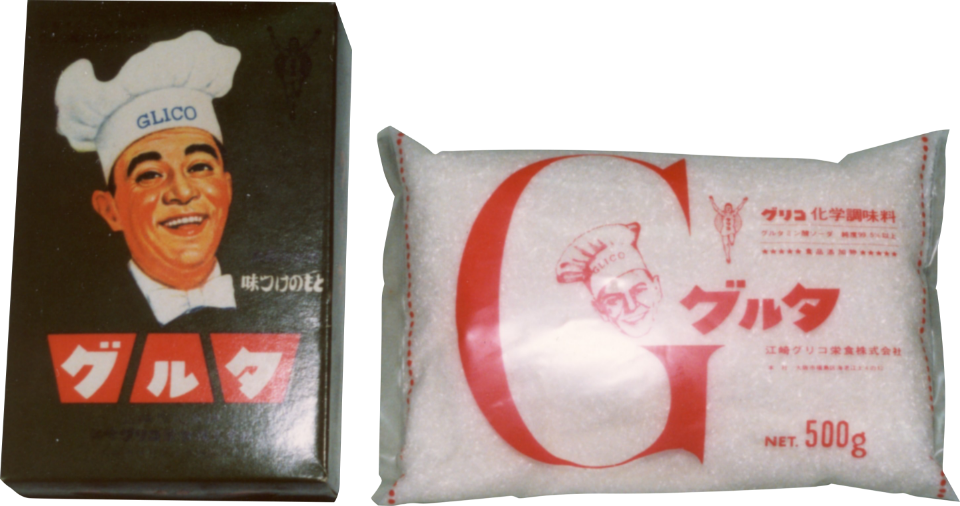
Production of Monosodium Glutamate “Gluta” Started
Founder Ri-ichi Ezaki's desire to “contribute to enhancing people’s health through food” was the driving force behind the company's broad expansion into the food industry, and in 1956 he established Ezaki Glico Foods Co., Ltd. In the beginning, the company planned to focus on the manufacture and sale of chemical seasonings, primarily for use in its own processed foods. Production of monosodium glutamate “Gluta” made from wheat protein started.

1958
Start of Production of Wheat Starch
Wheat starch, which was produced together with Gluta was sold as an ingredient for fish paste and other products.
1958
Ezaki Glico Foods Co., Ltd. Kyoto Factory
(Kyoto, Japan)

1961
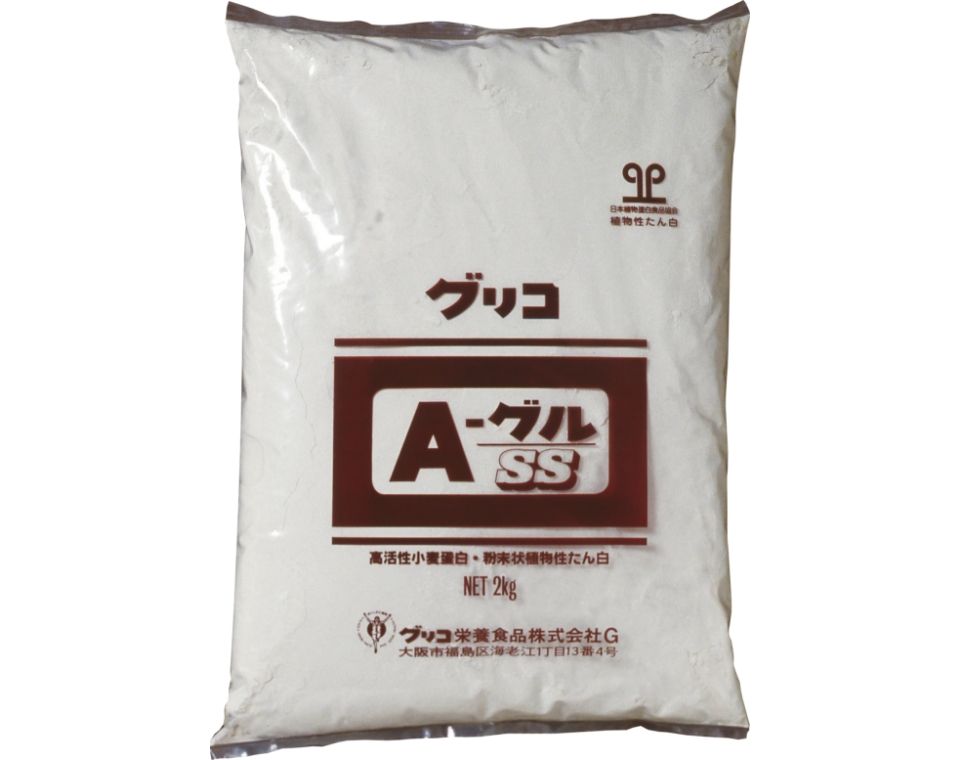
Highly Active Wheat Protein “A-Glu”
The low-temperature drying process does not change the properties of wheat protein, and the powder is used in a wide range of applications, from paste to bread and noodles.
1972
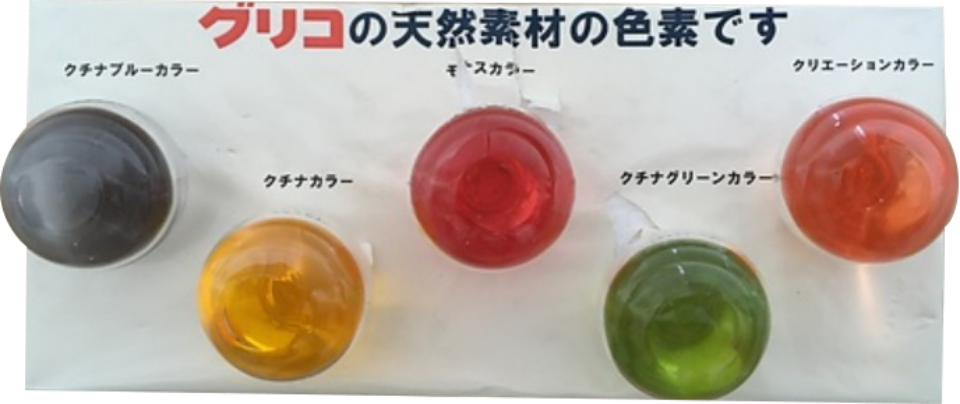
Natural Colorant “Monas Color”
Ri-ichi predicted that the age of natural coloring agents would come from the viewpoint of food additive safety, and in around 1955, he began research on monascus color and succeeded in its practical application. Since then, Glico has created a range of about 60 natural color preparations.
2001
Focus on Direct Sales of Fine Chemical Materials
Glico established the New Materials Sales Group, which is responsible for direct sales of fine chemical materials developed by the Biochemistry Laboratory, such as Cluster Dextrin (CCD), Phosphoryl Oligosaccharides of Calcium (POs-Ca), and α-Arbutin. In 2012, control of the company was transferred to Glico Nutrition Co., Ltd. to supply ingredients that create delicious taste and build health in Japan and abroad.
2003
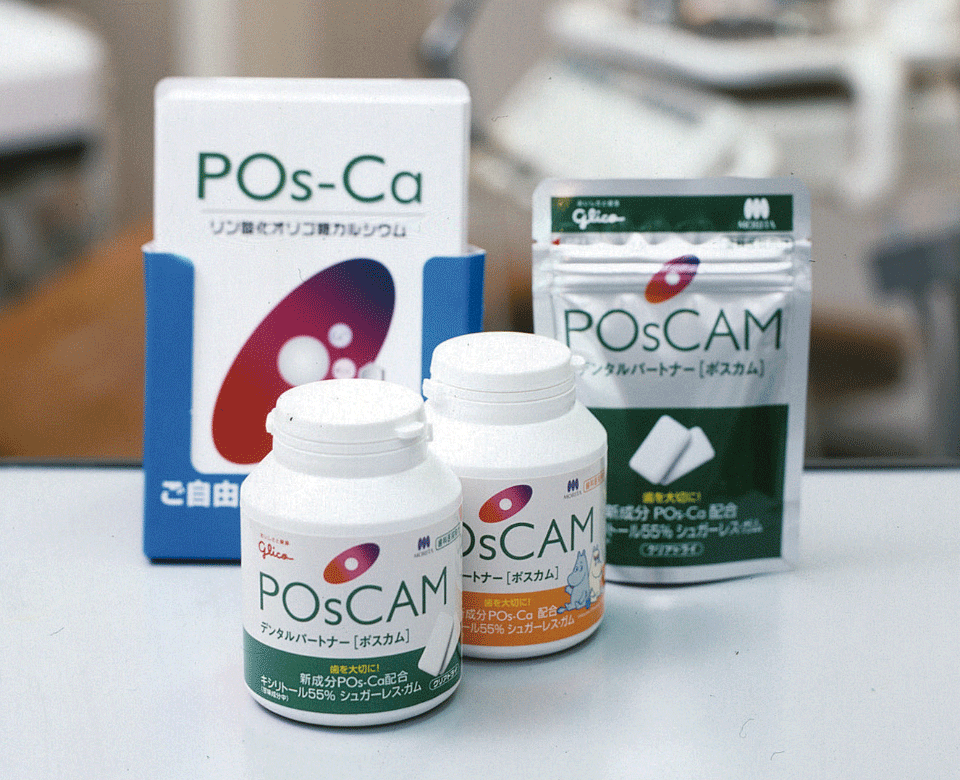
Phosphoryl Oligosaccharides of Calcium
(POs-Ca)
A food material made from potato starch was developed that enhances the remineralization and recrystallization of the early stages of cavities. The dental gum “POsCAM” (now called “POs-Ca”), which contains this compound, was released for general sale in 2003.
2007
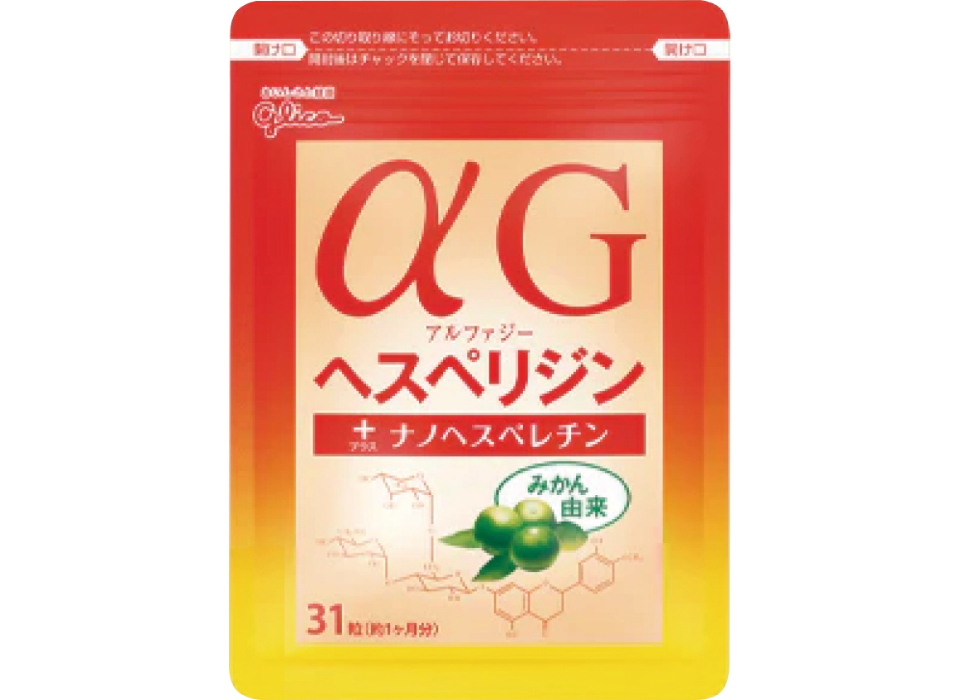
Enzyme-treated Hesperidin (Glucosyl Hesperidin)
Glico enhanced hesperidin, a polyphenol contained in citrus fruits that improves blood flow and other effects, and in 2007 launched “αG Hesperidin” (Food with Functional Claims), a supplement for improving sensitivity to cold.
2012
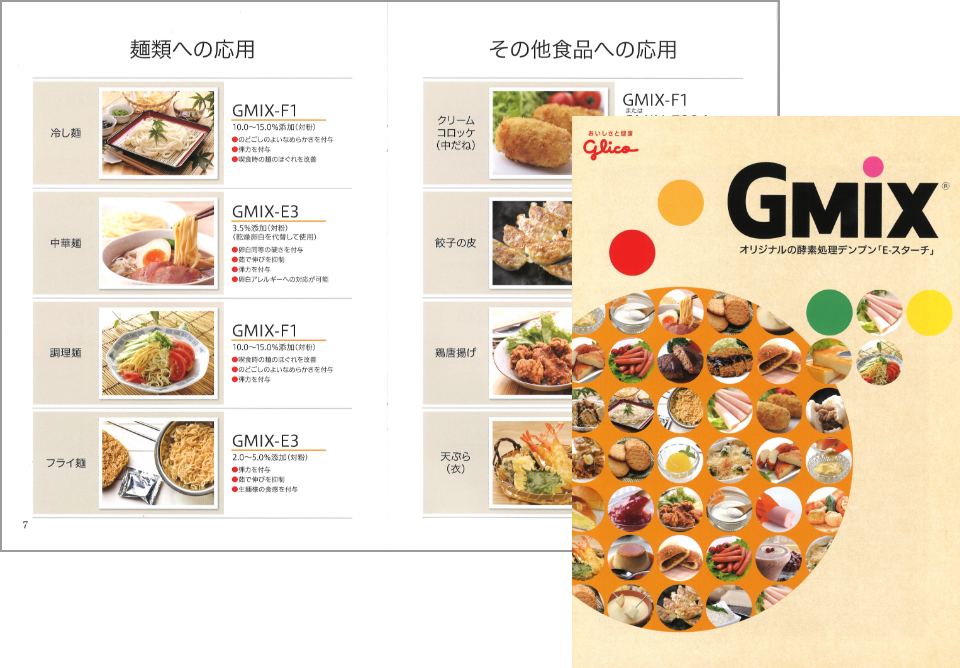
Developed Enzyme-treated Starch “E-Starch®”
The product is made by enzymatically treating raw potato starch, and has the characteristics of being both firm and stretchy with little stickiness or powdery texture, and a pleasant melt in the mouth texture. Moreover, “GMIX®” a processed starch and processed starch formulation containing E-Starch, contributes to improving the texture and taste of various food ingredients.
2016
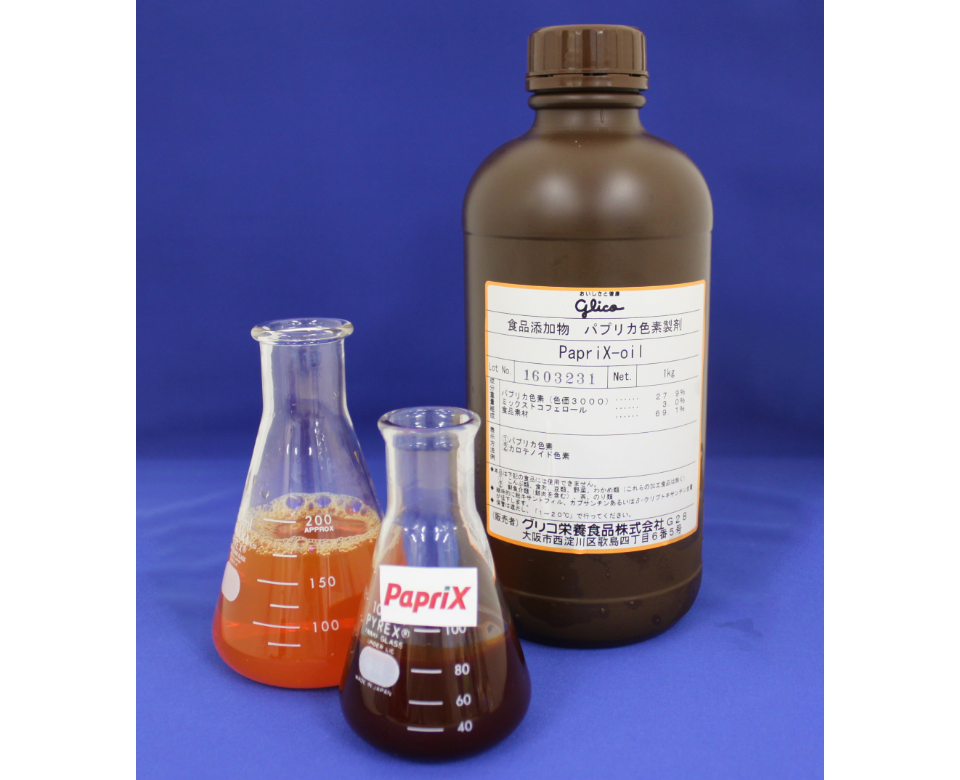
“PapriX®”, a Healthy Ingredient Derived from Red Bell Peppers
Using Spanish red bell peppers as the raw ingredient, Glico developed a healthy ingredient containing seven types of xanthophylls and β-Carotene, which are considered useful in preventing lifestyle-related diseases, through advanced extraction and purification technologies. Its antioxidant properties have been verified in human clinical trials to be effective in maintaining endurance during exercise, reducing fatigue after exercise, inhibiting skin damage caused by ultraviolet rays, and in diets to reduce body fat.